


Among the first “real books” I read were biographies of missionaries, a series of them, nothing like full-length volumes but rather slim paperbacks longer on the horizontal than on the vertical (in contrast to most books); they included simple illustrations. It was from one of these that I first learned of the resonantly named Adoniram Judson, for instance. My maternal grandparents had been missionaries to China, where my mom lived until she was almost twelve. And when my younger brother and I were boys in the 1950s, raised by our mother and grandmother, many missionaries—mostly retired but some still active—came to visit.
Before long I was acquiring, as Christmas gifts or with “my own money,” a number of biographies published by Landmark Books (Daniel Boone, John Paul Jones, and many other worthies). Missionaries, frontiersmen, heroes of the American Revolution: thus began a lifelong attachment to the genre.
While there was always some variety in my choices, most of the biographies I read from my college years onward had literary subjects. I still have many of those books, shelves and stacks of them. But at some point, decades on, without noticing at first, I began to read fewer biographies, literary or otherwise, and that trajectory has continued. Still, “fewer” does not mean “none”; recently, in the span of less than twelve months spread across two calendar years, I read two new biographies of Muriel Spark.
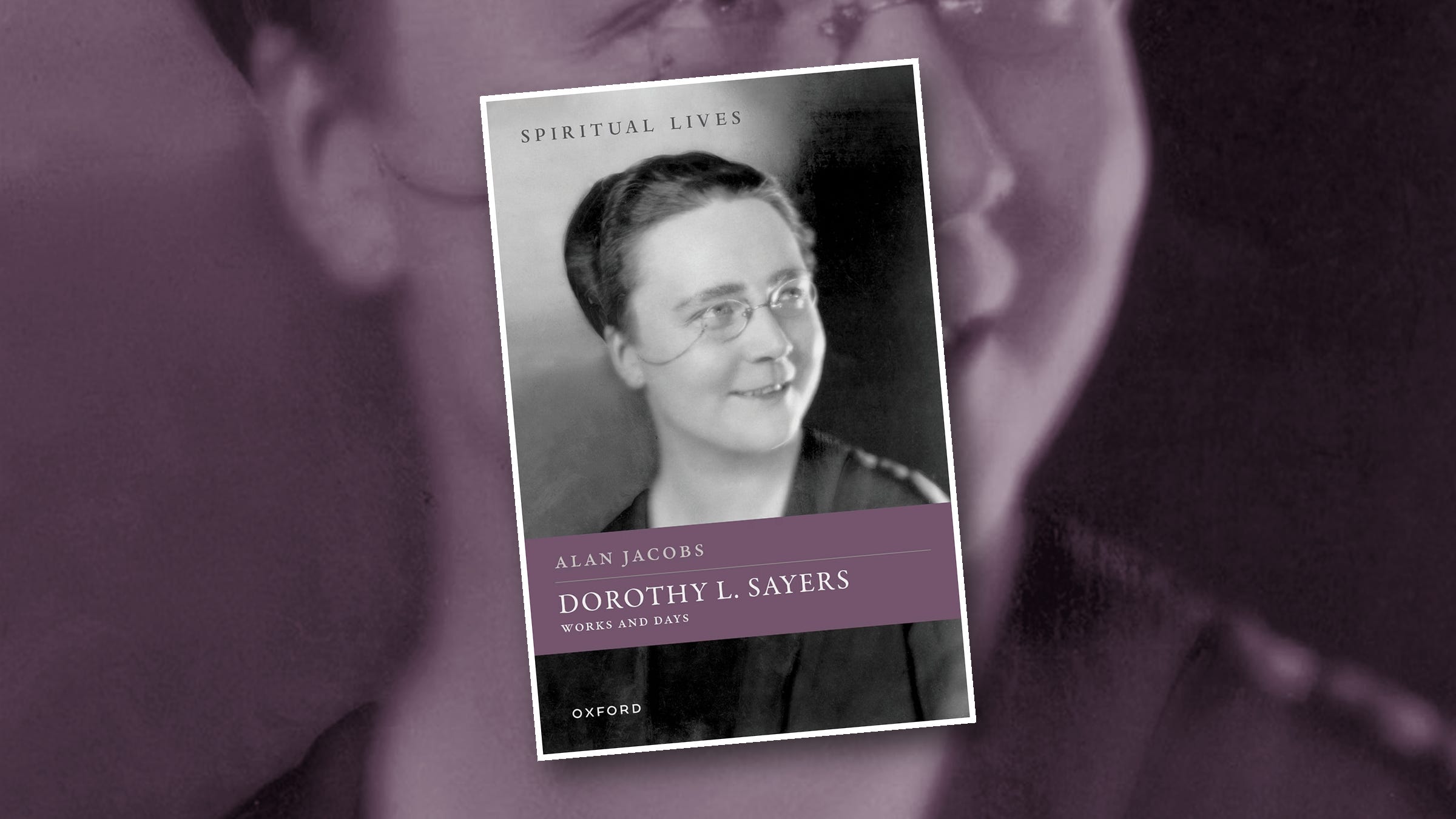
When I preordered a copy of Alan Jacobs’s Dorothy L. Sayers: Works and Days some months ahead of the publication date, I did so not because I have a special interest in Sayers (I don’t, though I read her mysteries back in the day and, decades ago, her translation of Dante’s Divine Comedy) but because Alan Jacobs is both a dear friend and a writer I greatly admire, even when his subject is someone I positively dislike (John Milton, for instance, to take a recent example; that was Jacobs’s “biography” of Paradise Lost). Moreover, this book on Sayers appears in Oxford’s Spiritual Lives series, of which the general editor is another dear friend and writer I greatly esteem, Timothy Larsen.
Shortly before I received my copy of the Sayers bio—publication had been delayed a bit—Jacobs posted an extraordinary statement denouncing OUP for their handling of the book, which would have maddened any writer but especially one as meticulous as Alan, and washing his hands of any further connection with it.
This was a shock: that what has been one of the preeminent publishers of first-rate scholarship should so grievously fail their responsibility to an author and his readers. The statement has since been taken down.
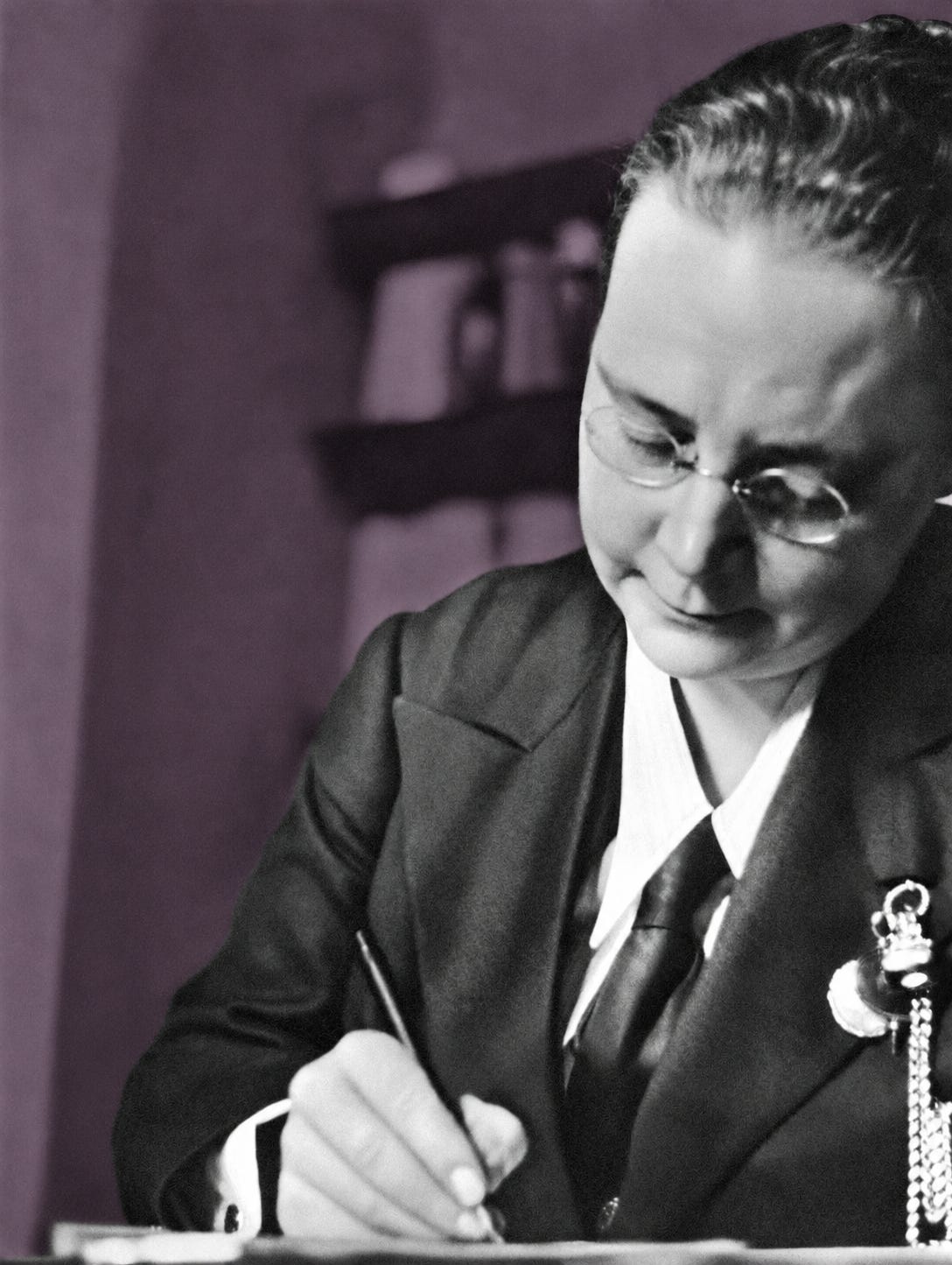
I am very glad that this book exists, despite all the travails of its production. It exemplifies Jacobs’s distinctive character as a writer, one who takes infinite pains to get everything right, to “make distinctions,” without ever seeming fussy. The second paragraph of Jacobs’s preface begins thus:
Once, when Sayers was working on a radio play, an assistant producer ventured to make changes to her text, which earned the reply, “Oh no you don’t, my poppet!” This sort of thing earned her the reputation of being difficult, but this was denied by the great theatrical producer Val Gielgud—brother of the legendary actor John—who worked with her on several plays. “Miss Sayers is professional of the professionals. She can tolerate anything but the shoddy or the slapdash.”
Here for “Miss Sayers” read “Alan Jacobs.” (We may wonder if that sentence should read “is a professional of the professionals.”)
Like what you’re reading? Subscribe, and new posts will ride an electron rollercoaster directly to your inbox twice a week. Free subscribers get two-week open access to every post; paid subscribers get the run of the archive, plus bonus content.
This is a short book—the main text runs to just over 200 pages—but it is absolutely packed with information and insight; whether summarizing the evolution of university education for women or the distinction between High Church, Low Church, and Broad Church (the “three main parties” of the Church of England); explaining why Sayers (contrary to many) preferred not to “use the terms ‘detective’ story and ‘mystery’ interchangeably”; or recounting the saga of her vexed marriage, Jacobs is always making distinctions, taking infinite pains even as he keeps the narrative moving.
He meticulously lays out Sayers’s views on the Jews and justifications for antisemitism, makes clear why she was wrong, and then moves on. He recounts her brief connection with a married man named Bill White, as a result of which she became pregnant. Hiding her condition until she gave birth to an illegitimate child, a son, Sayers wrote just days before the birth to “her dear cousin and childhood friend Ivy Shrimpton,” asking if she could care for the child! Shrimpton agreed. Not too long afterward, Sayers married another man. None of this is excused, explained away; neither is it put forward as “the real story of Dorothy Sayers.”
It is an extraordinary performance. One finishes the book with the exhilarating feeling that you may recall from the last meeting of one of the best courses you took in college. You feel, for the moment, intensely alive.


