

A guest post from the incomparable Shemaiah Gonzalez about reading Middlemarch with her sons, plus an extra treat from me for paid subscribers on Eliot’s writing process. MBR readers ranked Middlemarch No. 3 in the greatest novels of all time.
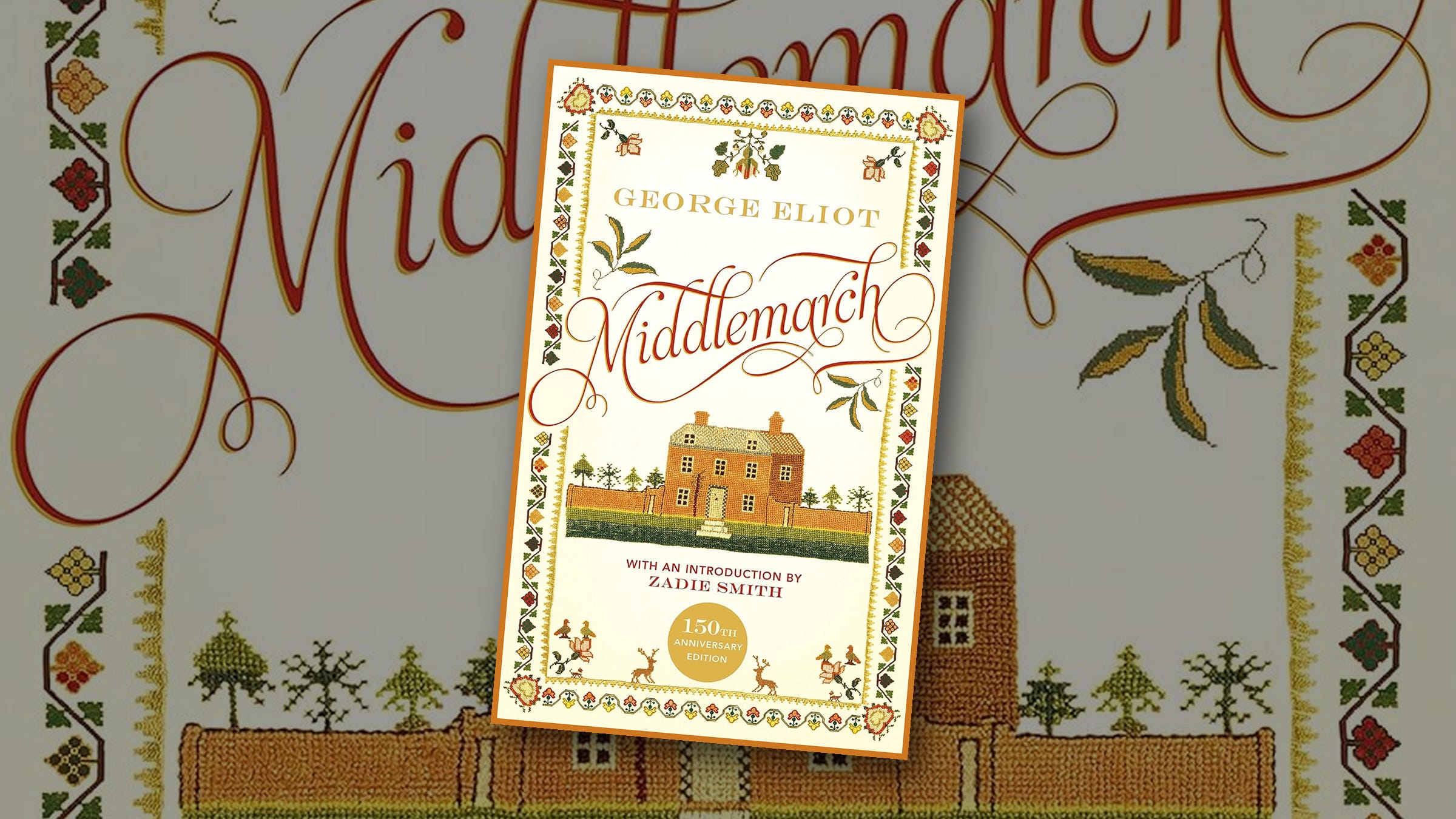
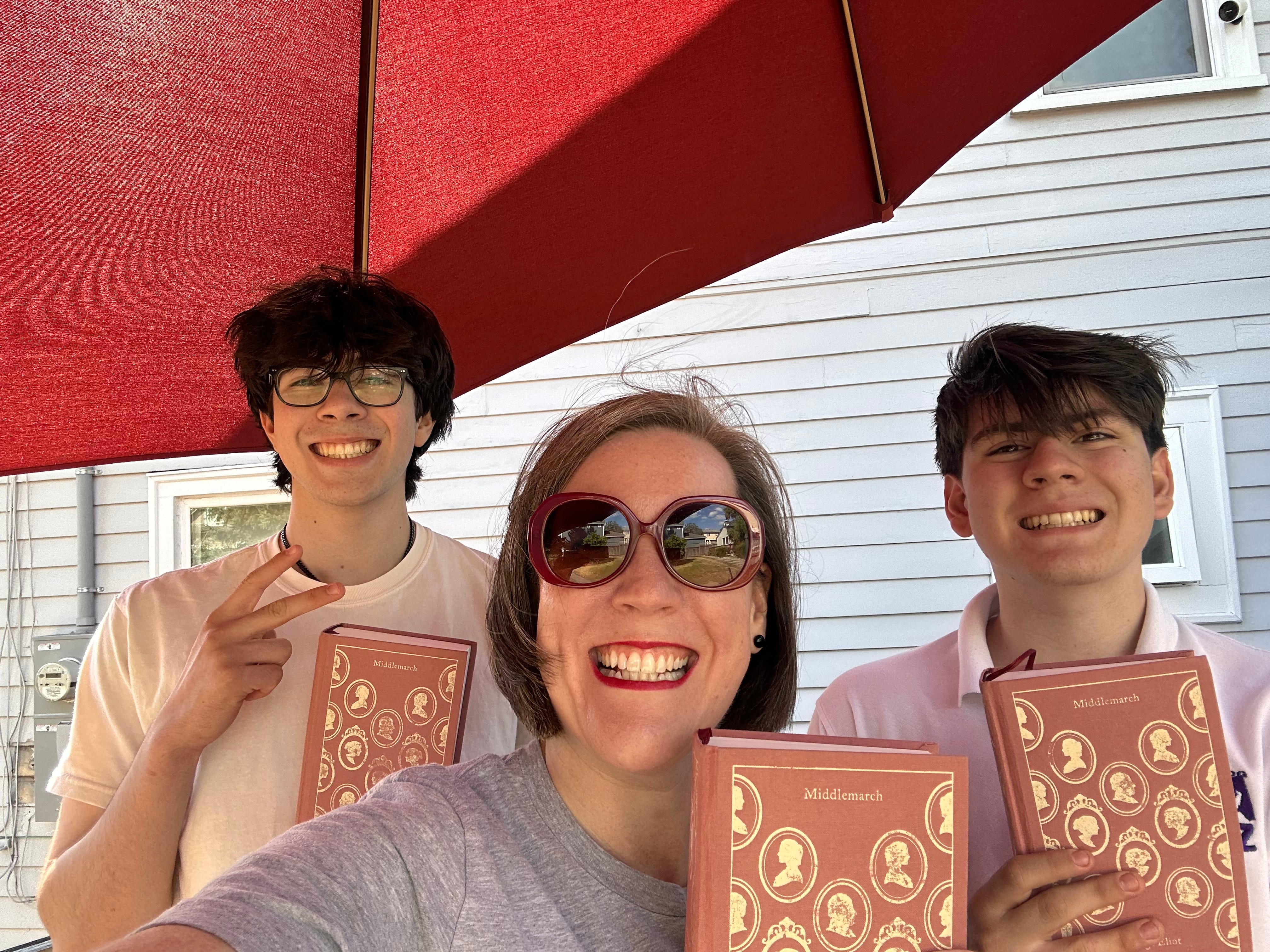
This summer will forever be remembered as “The One Where My Teen Sons and I Read Middlemarch.” It is our fifth summer tackling epic and somewhat daunting novels in our “Mother-Son Book Club.”
It started with a desire to supplement their education and share my love for reading. After four summers of undertaking classics, such as Great Expectations, Brothers Karamazov, Moby Dick, and Uncle Tom’s Cabin, these teens know you don’t need to understand everything on a first reading.
This is why they are classics; you will revisit them again and again throughout your lifetime, bringing your own maturity and experience to the text. They have already noticed this with two books they like to reread: A Tree Grows in Brooklyn and East of Eden. Both make more sense to them as they understand more of the world around them.
The Only Rule
The only rule in choosing our novel is that it must be a book I have not read. This way, I am not the teacher, but a peer in this book club. So, I was very surprised when I gave these boys, ages 15 and 17, a list of suggested novels and they chose Middlemarch.
Honestly, I didn’t know much about Middlemarch going in. I had just read my first George Eliot novel, Silas Mariner, last December. I had fallen in love with its redemptive themes. I found my lack of Eliot to be a huge gaping hole in my Victorian literature education and wanted to press in.
In past summers we have met weekly, but this summer, these boys’ lives are changing. There were internships, summer jobs, camps where they were the counselors, not the attendees. Life is changing for all of us. So, this summer we only met once a month.
Middlemarch is an ambitious novel, telling the story of a community which lives and loves are intertwined amongst social classes of the town Middlemarch. That first meeting was hard. No one could keep up on the characters and how they were related.
But one character stood out, Fred Vincy.
Fred Is a Chud
I wasn’t surprised. Fred is closer in age to these boys. He’s the eldest son of the mayor. He had promising options ahead of him but returned home after failing his university exam. Fred gambles on horses with the money he does have, taking his chances that he will inherit his uncle’s large estate.
My sons said Fred was a Chud. In Gen Z parlance this means a loser.
They had strong opinions about what an idiot he was, especially as Fred is in love with his childhood playmate Mary. Mary is of a lower class. She works in Fred’s uncles’s house. They considered Mary the only interesting character. They thought she was sensible and jolly, a hard worker and she didn’t play games. She was someone you could depend on.
Most of the conversation for the rest of our meetings centered on the romantic pairings in the novel. Who was a good match? Who wasn’t? Which couple communicated well? Which knew each other well? Which didn’t?
As a mother hoping her sons will one day marry, and marry well, I relished in these observations and hoped they will affect my sons own future real-world experiences.
Mixed Emotions
These young men had no empathy for Dorothea, the main character and heroine of the novel. When Dorothea, who is in her late teens, marries a much older clergyman, my son who just finished Marilynne Robinson’s Gilead said, “Doesn’t she know he won’t be able to father their kids!? He’ll be so old!”
Again, they returned to Fred and Mary. Mary consistently rebuffs Fred’s romantic gestures, telling him that he needs to do something worthy of her. When Fred discovers the town clergyman is also interested in Mary and more deserving her hand, he is inspired to make himself a better man.
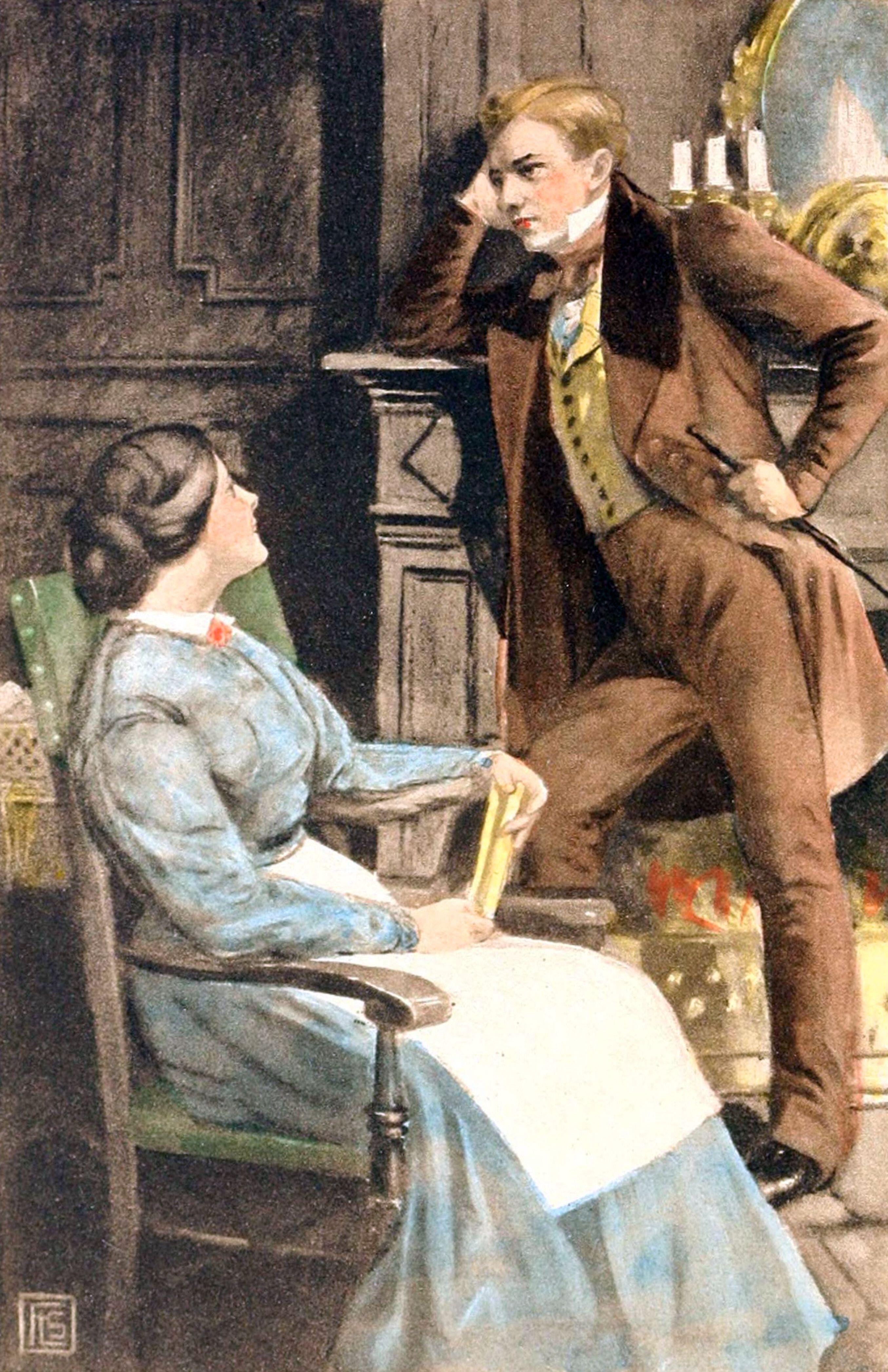
My sons loved this. They thought Fred and Mary were the best relationship: they knew each other well. Mary knew Fred so well, she knew not to reveal her love to him. She pushed him to be a better man and even after he worked hard to be worthy of her, they waited until they were more established to wed.
“Fred is the only character that truly grows in the novel,” they said.
Even with faith of their own, they found Dorothea’s selflessness to be tiresome. “It’s like she has a savior complex.” This was difficult for me as I tried to argue how she grows in her faith and selflessness and effects the entire town with her efforts. They weren’t having it.
“Is her marriage really that bad? She got to go to Europe on her honeymoon for months and learned another language and still wasn’t happy.” I felt I just needed to let this one go.
The Growing Good of the World
Maybe, one day, they will reread Middlemarch with more mature eyes. They will understand why their mother cried when she read the infamous quote at the end of the book:
But the effect of her being on those around her was incalculably diffusive: for the growing good of the world is partly dependent on unhistoric acts; and that things are not so ill with you and me as they might have been, is half owing to the number who lived faithfully a hidden life, and rest in unvisited tombs.
Maybe, one day, after they find their “Mary” they will understand that even a little thing like making your sons read classic novels in the summer with their mother improved their life tremendously.
Like what you’re reading? Please hit the ❤️ below, restack, discuss, and share.
And consider subscribing: Free subscribers get two-week access to all new posts. Paid subscribers get the run of the complete archive, plus bonus content.
Extra: Writing Middlemarch
When George Eliot began writing what became Middlemarch in July 1869, its heroine, Dorothea Brooke, was nowhere in sight. For paid subscribers, here’s a note from me, JJM, on how Eliot came to write the novel MBR readers ranked No. 3 of the greatest novels of all time, and how Dorothea found her place.

Fred and Mary is the most interesting relationship. Perhaps, not being 19th century girls, they will never quite understand Dorothea, but they may come to understand that the ambition to change the world for the better is not one limited to young men, young women possess it in equal measure - and both have to learn, as Dorothea did, that no one can change the world, but they can make life a little better for those around them, and enough people doing that will eventually change the world.
Great post - now I need to go read Middlemarch with my boys (15 and 20)!